
Landscaping Tips
If you are a lover of flowers as much as we are, and you must have different colors in the garden, you’ll enjoy the blue, violet, red or pink blossoms found on the Mexican Bluebell. These fanciful flowers are showy and appear on this perennial three times a year; spring, summer, and fall. Besides its attractiveness, it seems as though different types of butterflies love the plant’s nectar.
The Ruellia brittoniana, (the Mexican Bluebell’s scientific name; pronounced: roo-EL-lee-uh brit-TOE-nee-uh), from the family of Acanthaceae, is not a native perennial to North America, but got introduced to Florida in…
Landscaping Tips
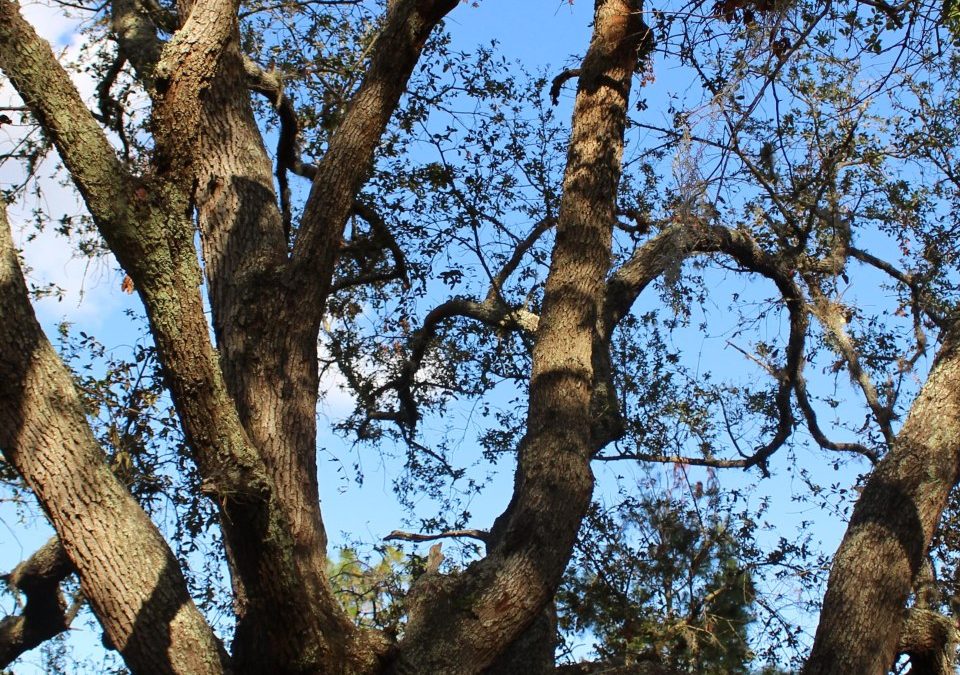
When you live in Tallahassee’s tropical climate you know every year, we have a 6-month long Hurricane Season. That timetable starts on June 1st and ends November 30th. Furthermore, if you’ve lived here more than five years, you know hurricanes, and tropical storms slam Florida and hit most gulf states just about every year.
The damage is extensive, ruins landscapes, and mutilates or destroys Leon County trees and shrubs. To avoid or minimize those losses Dickerson Landscaping and Lawn Care services has four hurricane-resistant choices you can make long before our rainy season takes off. If planned correctly, those trees will remain standing, help you weather most storms, and possibly save your trees from…
Landscaping Tips
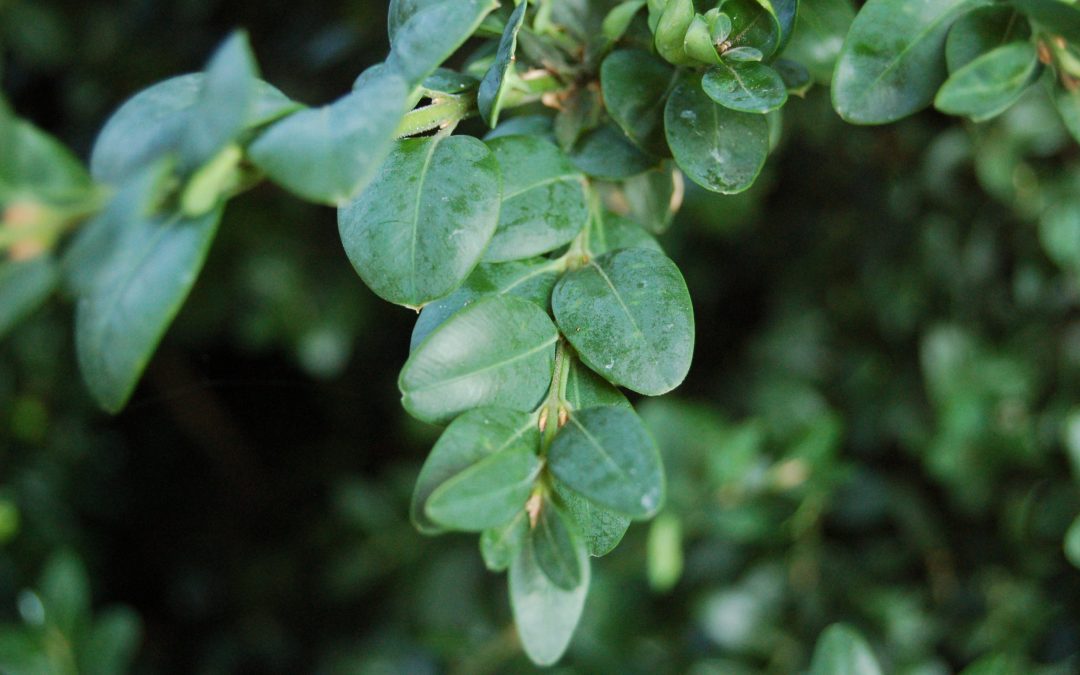
When you’re hunting for a specific plant to use as a garden border, walkway edging, near your building’s foundation or an all-out prime hedge, that you can plant 24-36 inches apart, the Common Boxwood fits the bill. That round, dense, and slow-growing non-invasive shrub will surprise you with its ability to grow from 8-20 feet in height and expand 10-15 feet across its immediate area.
The Buxus sempervirens, (the Common Boxwood’s scientific name; pronounced: BUCK-sus sem-pur-VYE-renz), from the family of Buxaceae, is not a native shrub to North America but blends well with the native Tallahassee and Leon County plants and shrubs you already enjoy. Other names of the Common Boxwood is…

Landscaping Tips
If you were like most of us growing up, you went outside and played in the dirt. There was something fun and magical about being in the garden. Smelling the flowers, chasing the butterflies, defeating dragons, and pretending the garden was your kingdom.
Hands down, playing in the garden has always been a fun adventure for kids. Now, we’re going to show you how to give those little ones more fun as they make their very first garden. Below are Dickerson Landscaping and Lawn Care’s eight first time fun and kid-friendly home gardening tips. They will help you create fond memories with those little ones that will last a lifetime.
Landscaping Tips
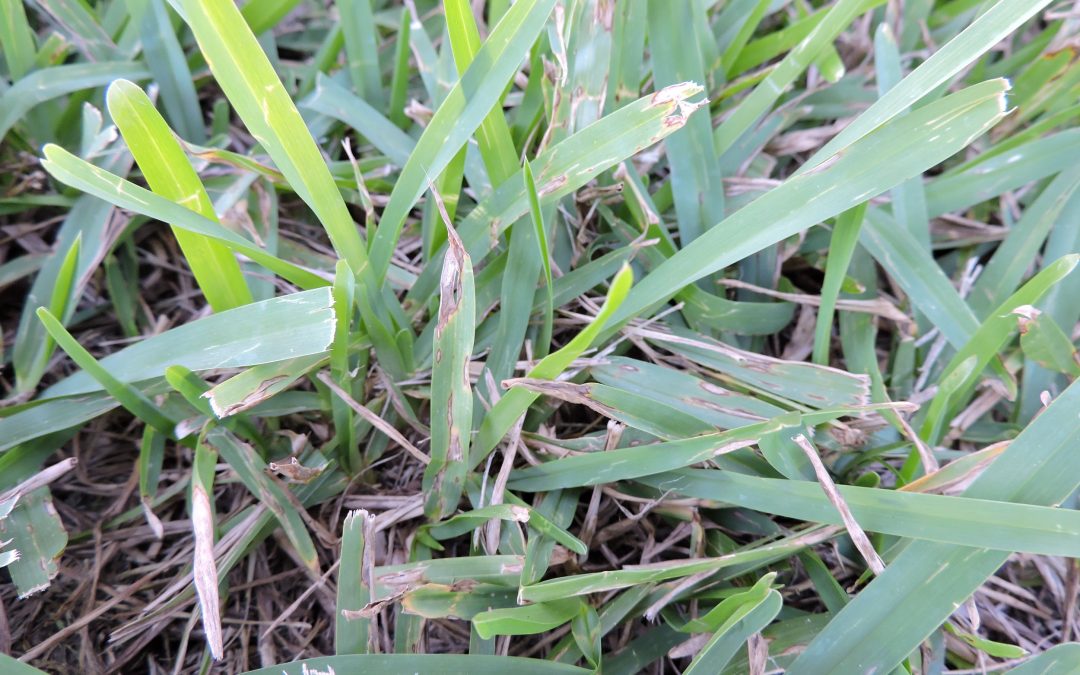
It looks like another Grey Leaf Spot infestation has begun this season in Tallahassee. We recently uncovered this while examining St. Augustine grass blades with leaf lesions. They had lost their green color, and the lawn looked thin and had a delicate appearance in spots. With the frequent warm rains we’ve been getting recently, it always creates this favorable environmental for this nuisance fungal disease to show up unannounced, grow, and spread.
The Dickerson Landscaping technicians started noticing that all too familiar oval and oblong-shaped grey leaf spots on the blades of grass. Our teams are finding more and more instances this season where the pathogenic organism Grey Leaf Spot is on the loose and devastating local St. Augustine grasses. So, we needed…
Landscaping Tips
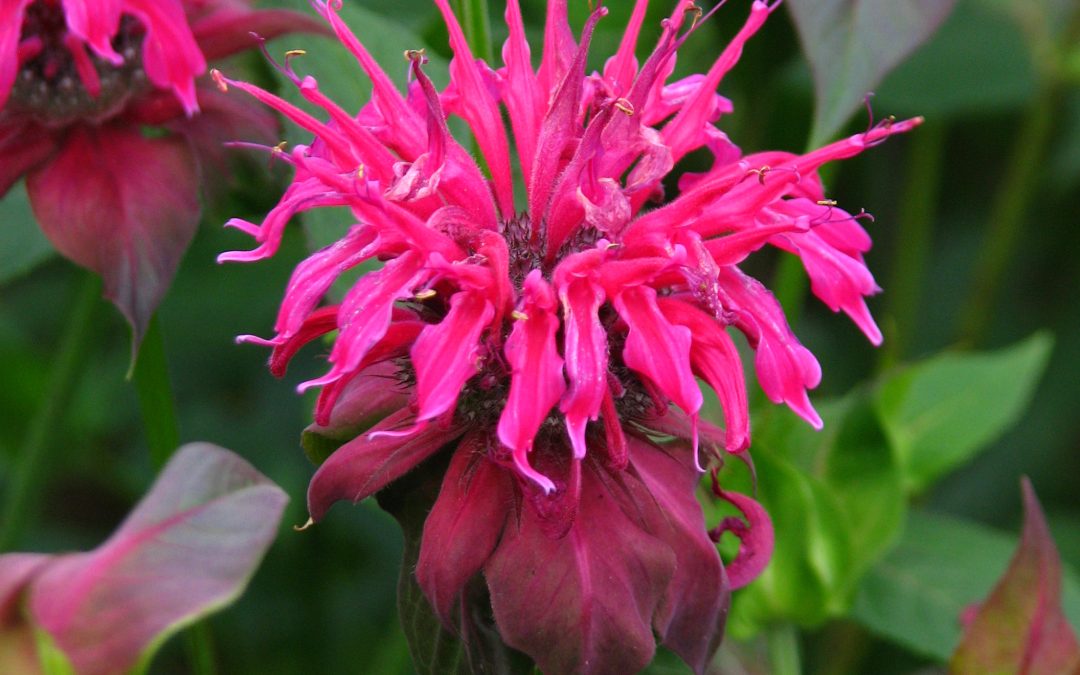
The Bee Balm is a fun and beautiful, summer ground cover plant that accents most small to medium sized Tallahassee gardens. As a dense herbaceous perennial, it will grow to a height of 12- to 36-inches tall. Its spread will range from 2- to 4-feet across, and before we forget, expect fast growth along with fragrant, attractive pink summer flowers.
The Monarda punctata, (the Bee Balm’s scientific name; pronounced: moe-NAR-duh punk-TAY-tuh), from the family of Labiatae, is a native perennial to eastern Canada, eastern United States, northeastern Mexico, and all of Florida. Other names it is commonly known by are Horsemint and Monarda named after the physician and botanist, Nicholas Monardes. An interesting homeopathic fact, the Bee Balm has also been used to create…

Landscaping Tips
Are you planning a rock garden and need plant and shrub suggestions? If you want to make a striking statement, then the Agave gets right to the point. Literally! The tight rosette of stiff, sword-shaped leaves, each reaching up to 3 feet long and 2 inches wide, the effect will prove extremely dramatic. With its short trunk, the green toothed leaves have marginal bands of bright white and a sharp point on the tips.
The Agave angustifolia, (its scientific name; pronounced: uh-GAW-vee an-gus-tif-FOLE-ee-uh), from the family of Agavaceae, is a native to North America, Mexico, Central America, and South America. Other names it is known by are Century Plant and Variegated Caribbean Agave. It is, however, an invasive type shrub. But on the flip side…
Landscaping Tips
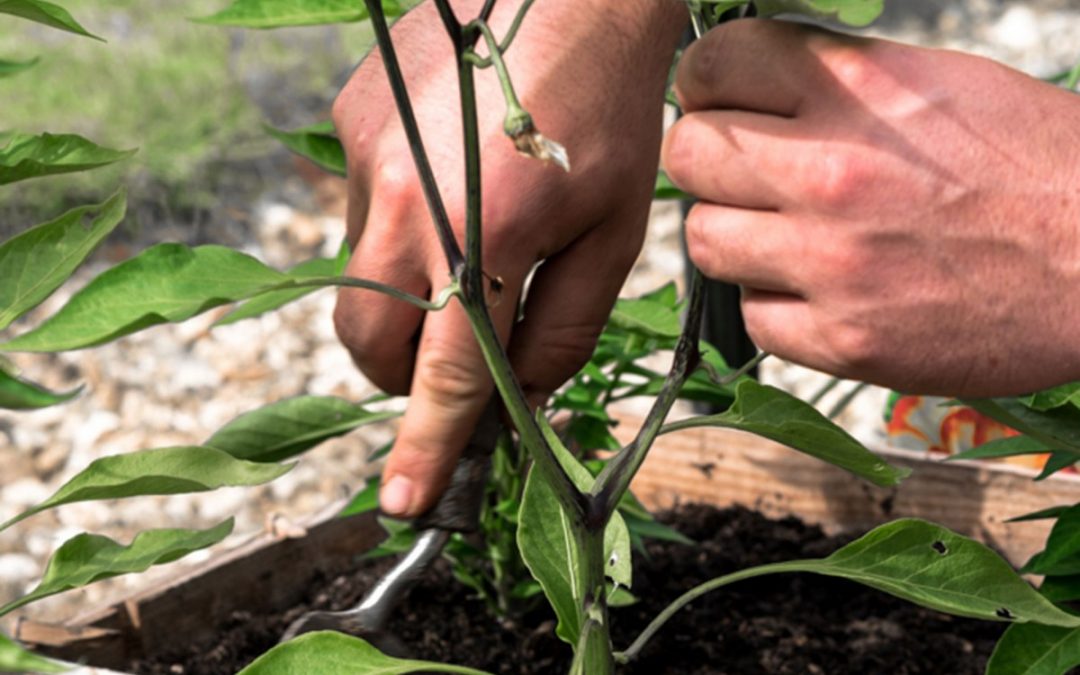
In the world of landscaping, when a plant gets sowed, a sapling replaced, or a shrub introduced to fresh soil, each will genuinely thank you with growth, blooms, and beauty. When your landscaper transforms your yard into an oasis, grooms your lawn your neighbors envy or decorates your garden with ornaments of wonder, are you like most where a simple thank you doesn’t express your most profound gratitude. That’s where planting a thank you opens the door for you to show your appreciation.
Sowing, thanks has become a powerful and permanent form of thankful expression. Some will buy gifts to thank their landscaper while others tell everyone they know. Many love to send letters, or whip out their phone and video a thank you selfie. However, the quickest and easiest way to plant your thank you is…
Landscaping Tips
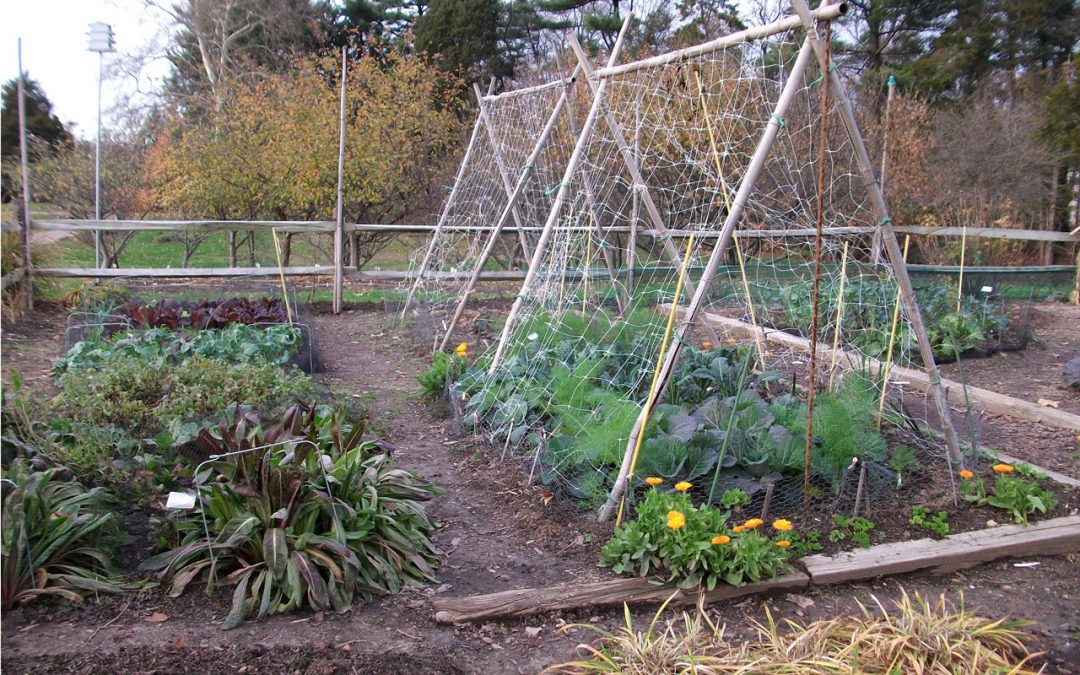
During the past 30 years, we’ve seen a massive change towards homogenization and mechanization of farming. This change has focused more on using additives, synthetic fertilizers, herbicides, pesticides, and mass-production techniques. All of these changes do affect humanity’s health and introduces more risks and why more people are starting an organic vegetable garden.
New diseases are popping up and spreading rapidly amongst humans and animals. When you get and read through the World Health Organization reports it shows how the use of chemicals and other products on food, along with the manufacturing processes, are posing a real threat to humankind’s health.
Landscaping Tips
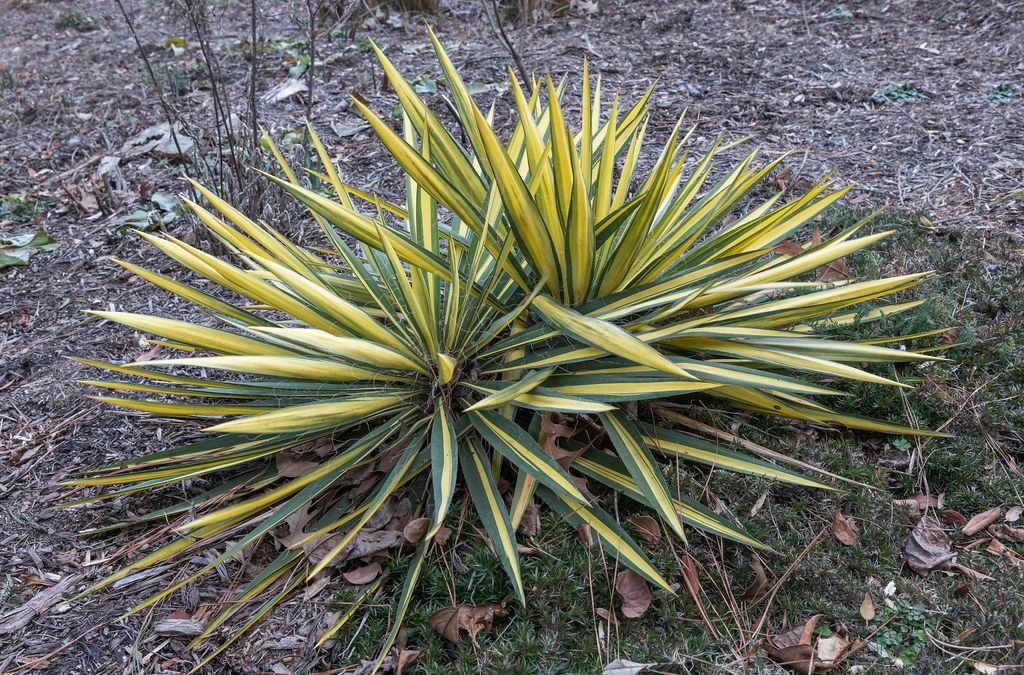
The Adam’s needle yucca is a shrub found in various locations throughout the woods, ranch lands, some state parks, and is a slow-growing Florida native. Though the yucca can get bright green in color, and flower in the spring, the leaf texture is coarse to the touch. It does have pointed spines at the end of its leaves that are quite sharp and could injure a person if grabbed inappropriately.
The Yucca filamentosa, (its scientific name; pronounced: YUCK-kuh fill-luh-men-TOE-suh), from the family of Agavaceae, is a native Yucca shrub of Florida. It is not known to be an invasive type plant or have dangerous pests typically found on other shrubs other than earwigs. However, it does attract butterflies and is deer and rabbit-proof. The Adams’ Needle as it’s commonly referred too will grow from 3 to 4 feet tall and have a spread from 3-4 feet across.
