Landscaping Tips
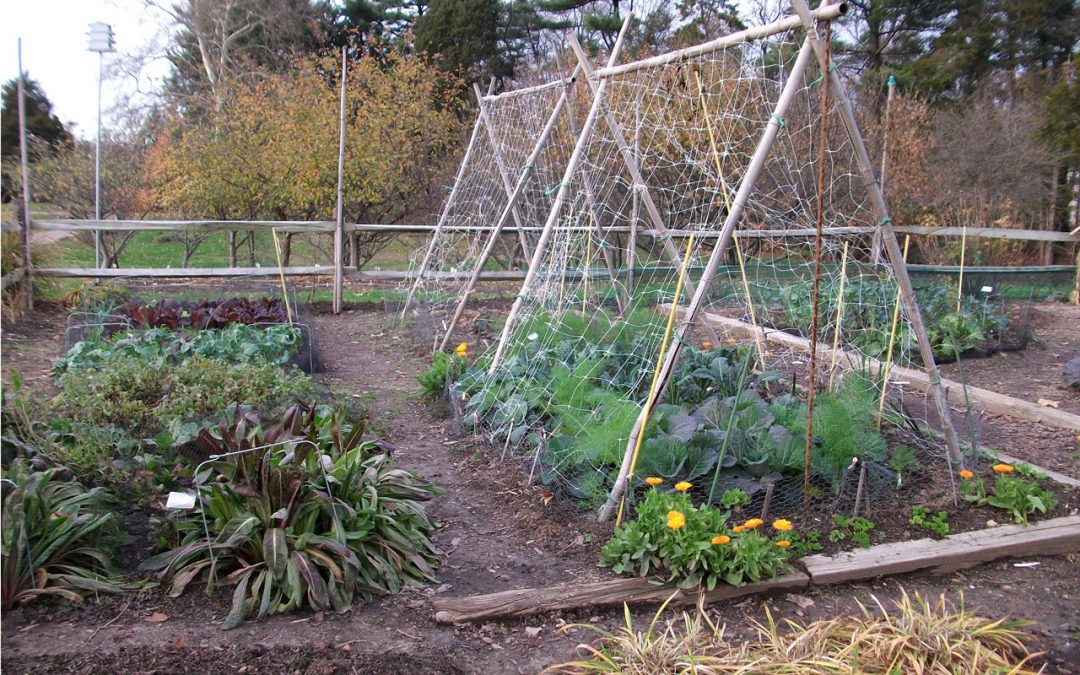
During the past 30 years, we’ve seen a massive change towards homogenization and mechanization of farming. This change has focused more on using additives, synthetic fertilizers, herbicides, pesticides, and mass-production techniques. All of these changes do affect humanity’s health and introduces more risks and why more people are starting an organic vegetable garden.
New diseases are popping up and spreading rapidly amongst humans and animals. When you get and read through the World Health Organization reports it shows how the use of chemicals and other products on food, along with the manufacturing processes, are posing a real threat to humankind’s health.
Landscaping Tips
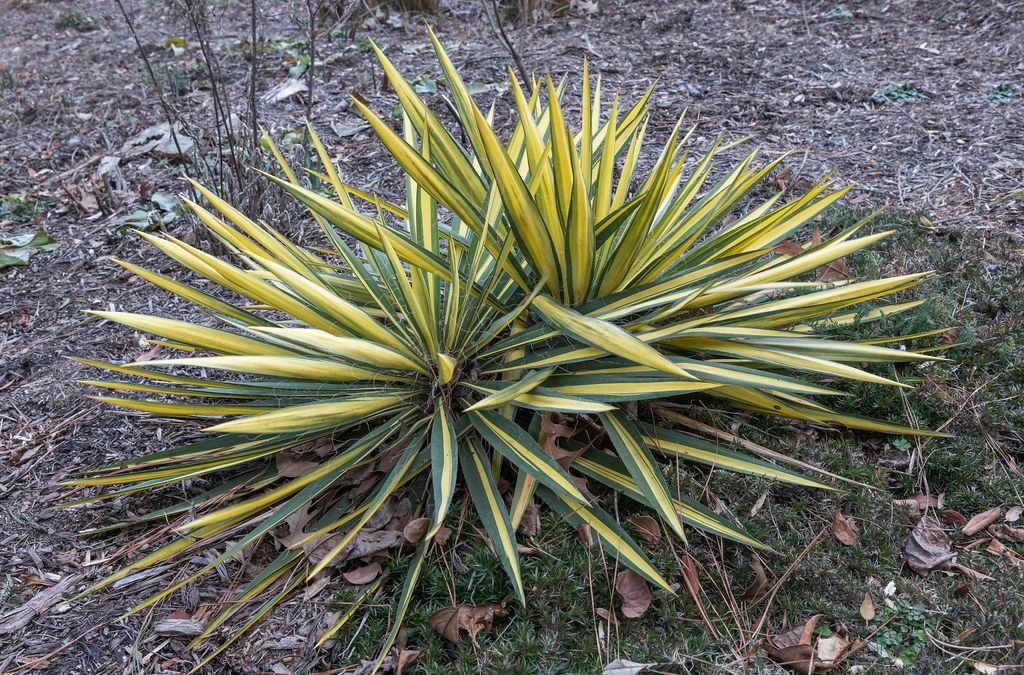
The Adam’s needle yucca is a shrub found in various locations throughout the woods, ranch lands, some state parks, and is a slow-growing Florida native. Though the yucca can get bright green in color, and flower in the spring, the leaf texture is coarse to the touch. It does have pointed spines at the end of its leaves that are quite sharp and could injure a person if grabbed inappropriately.
The Yucca filamentosa, (its scientific name; pronounced: YUCK-kuh fill-luh-men-TOE-suh), from the family of Agavaceae, is a native Yucca shrub of Florida. It is not known to be an invasive type plant or have dangerous pests typically found on other shrubs other than earwigs. However, it does attract butterflies and is deer and rabbit-proof. The Adams’ Needle as it’s commonly referred too will grow from 3 to 4 feet tall and have a spread from 3-4 feet across.
Landscaping Tips
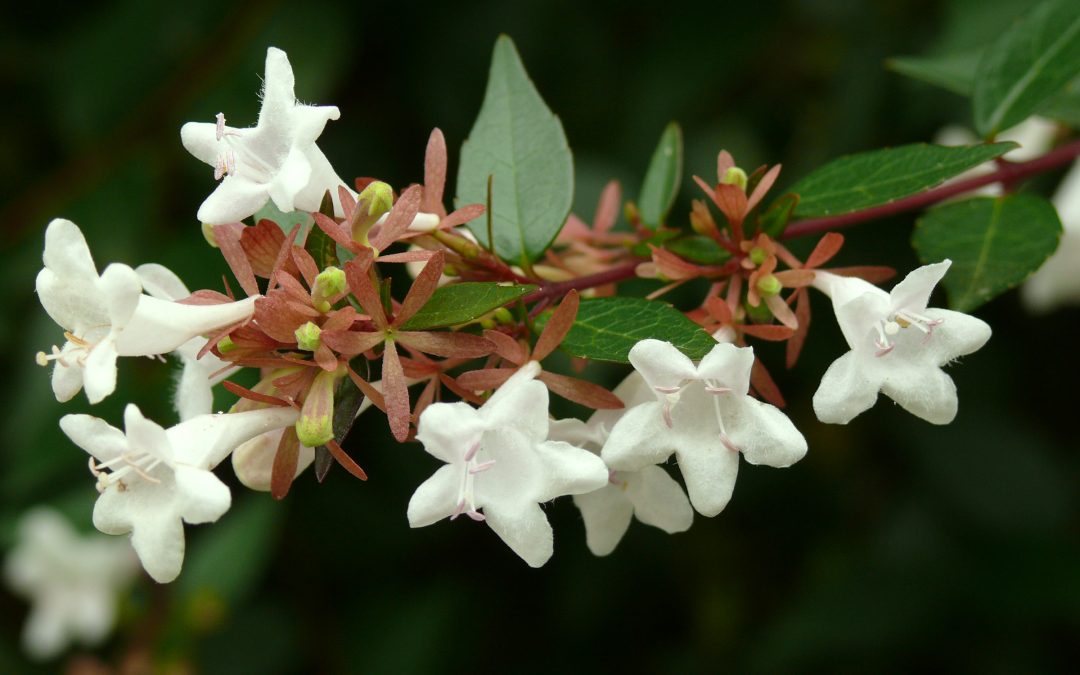
When you’re trying to decide what type of background or massing plant to use, for your commercial or industrial landscape, that will highlight the forms and colors of companion plants; the low-growing Glossy Abelia dense shrub is ideally suited to get the job done.
The Abelia x grandiflora, (its scientific name; pronounced: uh-BEEL-ee-uh gran-dif-FLOR-uh), from the family of Caprifoliaceae, and though it is not a native of North America it is not known to be an invasive type plant. The Glossy Abelia has two other names: dwarf glossy abelia, and ‘Sherwoodii’ glossy abelia. It will grow 3-4 feet tall and have a spread from 4-6 feet across. The compact form of this shrub does compliment taller shrubs planted around it that have larger and coarse leaves.

Landscaping Tips
Not long ago, a customer of ours asked about mushrooms growing in their yard. To most homeowners and commercial property owners, these umbrella shoots are an eyesore, a visual nuisance, and quite frankly look horrible to the landscape. Furthermore, due to some prolonged overdue rain, you may have notice mushrooms starting to pop up in your Tallahassee or Leon County yard too.
At first glance, you might think something got in your lawn, and you need to knock those toadstools down or pull them up, so they won’t spread, or your children and pets try to taste them. But before you reach for that umbrella shaped lawn fungi, did you know you might have uncovered something…
Landscaping Tips
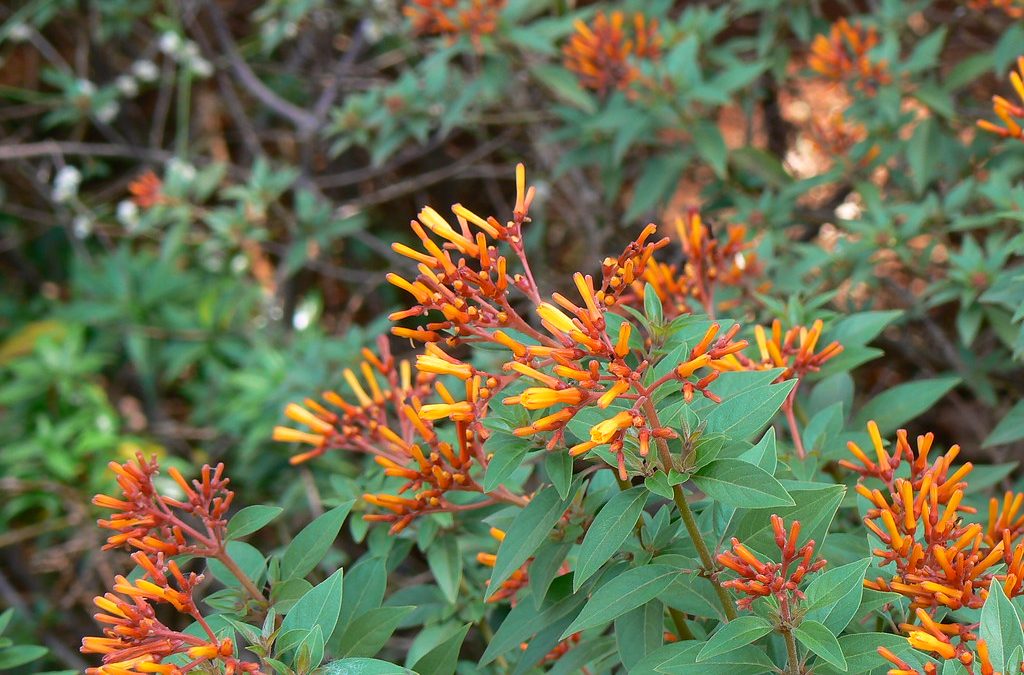
If the sight of hummingbirds and butterflies dancing in your yard brings joy and excitement, then Florida’s native grown Firebush is the shrub you’ll want in your garden or when used as a base plant for large commercial buildings. Besides the flower’s nectar butterflies and hummingbirds sip, the small, black, glossy fruits on the plant are a continuous feast for birds too.
The Hamelia patens, (its scientific name; pronounced: huh-MEE-lee-uh PAY-tenz), from the family of Rubiaceae, is a native semi-woody perennial shrub of Florida. The Firebush has two other names: Scarlet bush and Hummingbird bush. It does grow fast and will reach 12 feet tall and 8 feet across. Though it is a dense soft-stemmed shrub, it doesn’t need…
